A store under construction - and why I'm showing you that on purpose
This store is open while it’s still being built - you can already order, but every now and then something might glitch. If it does: message me, and I’ll sort it out myself. I’d rather show you how this thing is coming together than sell you a polished front.
That banner under the shop header, the one that says “under construction” - it’s not fine print and it’s not an excuse. It’s a promise. There’s no support team behind this store and no hotline. There’s me. If an order sticks, an image won’t load, a size looks off: you’re reaching the person who built the thing, directly. I prefer it that way. I’d rather keep building in front of you than pretend everything’s already polished.
Why I’m doing it like this at all
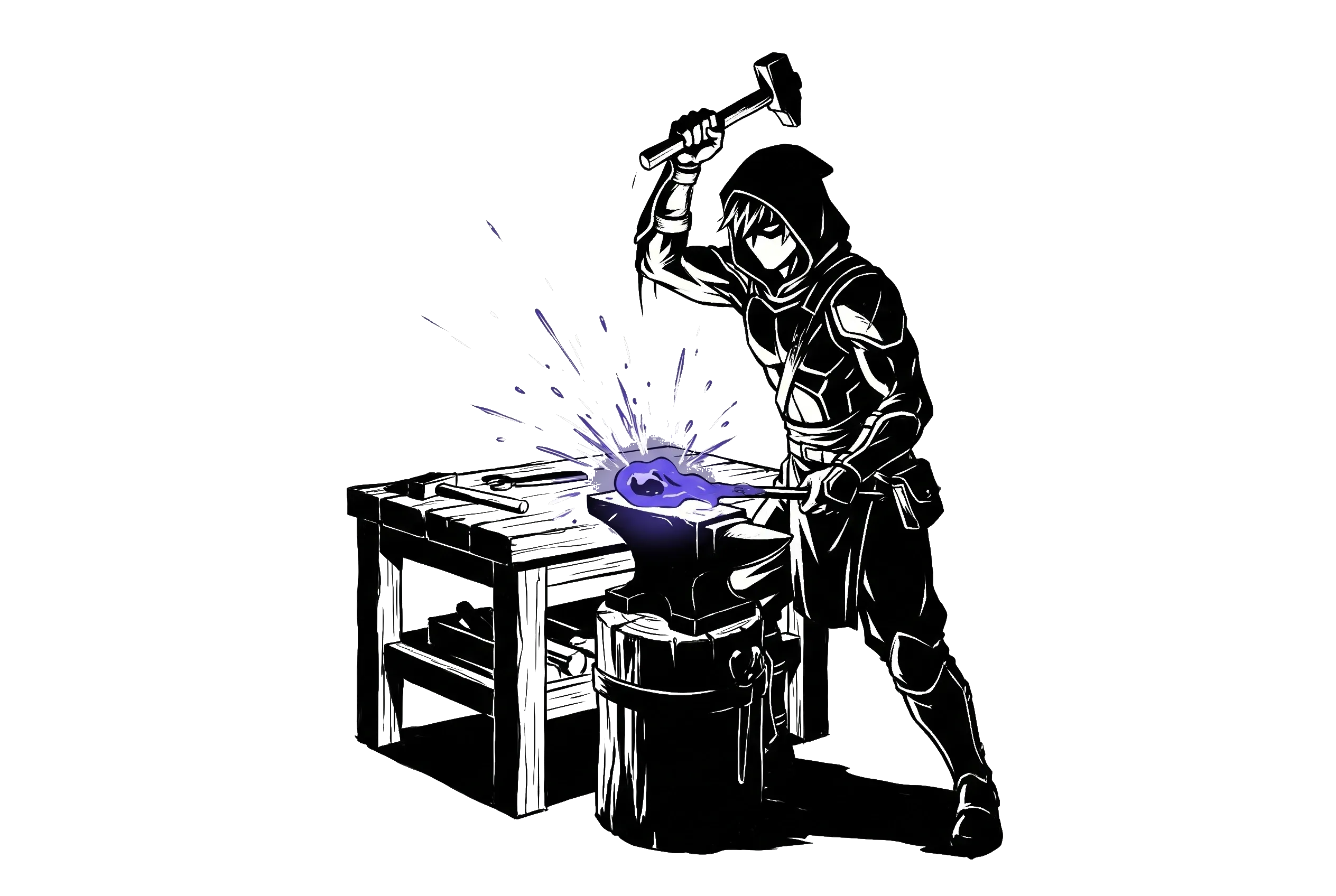
I’ve had these designs in my head for years. Crypto motifs on hoodies, caps, posters - things I’d actually wear myself, not another lifeless Bitcoin print. What used to stop me was never the idea. It was everything around it: renting a photo studio, booking models, organizing a crew, producing every motif one by one. That eats time I don’t have, and it turns an idea into a project full of dependencies.
AI took that bottleneck away. I can generate the product images myself now - with my own AI models, consistent, in the visual language the motifs call for. For the first time it isn’t my budget deciding which designs make it into the store, only whether I think they’re good enough. That’s the whole point. Not “cheaper.” It’s that I can finally show what I want to show.
How this actually comes together
So no wrong picture sticks in your head: this isn’t “prompt in, image out.” That’s not how it works for me, and it would never look good if it were.
I work with my own character sheets for my AI models - fixed faces, fixed traits, so a model stays the same across different products instead of being someone new in every shot. On top of that come fixed rules for how a motif sits on a garment, how light and perspective run, how big a chest embroidery sits relative to everything else. I measured that and turned it into a fixed standard I hold myself to, instead of guessing fresh with every image.
And then every image goes through me, one at a time. I approve them frame by frame. Whatever doesn’t sit gets cut or redone. This is hands-on work - just with a different tool.
The one sentence it all comes down to
So we’re crystal clear here, because it’s the most important thing on this page:
The models in the product photos are AI-generated. The motifs and designs are my own. And the goods are real - they’re really produced and really shipped to you.
That’s not a grey area, that’s the line. Showing an AI photo of real goods carrying my own design is transparent, as long as I tell you exactly that. It only turns misleading the moment I’d pretend a real person stood there with a camera. That’s why the AI note isn’t tucked away in the footer - it’s out in the open. I’m not defensive about it. The opposite: it’s the reason these motifs exist to buy at all.
Where this is headed
Nobody’s handed me a finished recipe for this, and that’s exactly why it’s sometimes buggy. I’m building a path that doesn’t yet exist as a finished recipe - one person, real products, AI as the tool for everything that used to take a whole team. Things snagging along the way is part of that. I don’t hide it, I fix it while you watch.
And because more and more people keep asking me how this actually works: I’m going to show it. Tutorials and courses are in the works - how to build character sheets, how to set your own standard, how an idea becomes a store without a studio and without a crew. Not as secret knowledge - as something to copy.
If you want to understand the AI part in detail - why the product photos are AI-generated and how I stay honest doing it - I’ve laid it all out here. The store itself is here; have a look around, order what you like. And if something goes sideways: message me. I’ll sort it out myself.
Comments
Sign in to comment, like and save. Sign in →
No comments yet. Write the first one.